Fun Facts About Senior Cats: How Aging Changes Behavior
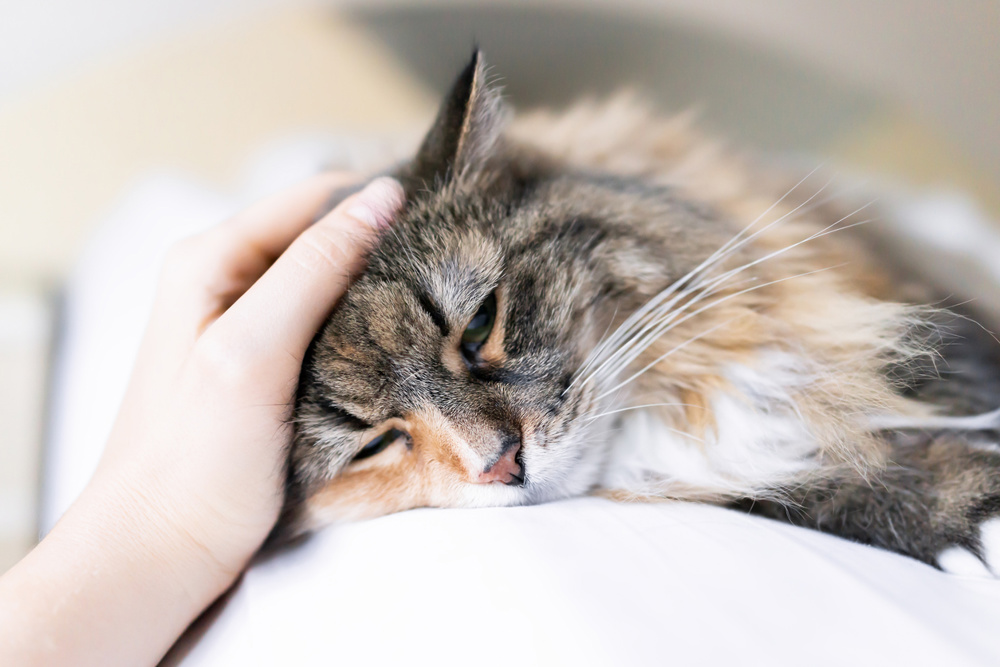
If your cat is entering their “senior era,” you might notice something weird: they’re the same cat… but also not. They sleep more, they meow differently, they get pickier about routines, and sometimes they start doing things that feel out of character—like missing the litter box or shadowing you from room to room.
Here’s the reassuring truth: most senior behavior changes aren’t “bad attitude,” they’re communication. Aging changes how a cat’s body feels, how their senses work, and how their brain processes the world. Behavior is often the first place those shifts show up.
Why Your Senior Cat Meows More Day and Night
Your senior cat's increased meowing—whether during the day or throughout the night—typically signals an underlying medical condition. It may be sensory decline, or cognitive change rather than simple attention-seeking behavior. Hyperthyroidism, kidney disease, and hypertension commonly trigger excessive vocalization in aging felines.
Your cat might also experience reduced hearing awareness, causing them to meow louder since they can't hear themselves. Cognitive dysfunction affects over 55% of cats aged 11-15 and 80% of those 16+, leading to disorientation and nighttime howling.
Pain from arthritis or dental disease prompts vocalizing during movement or eating. Additionally, increased environmental anxiety from confusion or separation distress manifests as plaintive, urgent meowing, particularly after sunset when cognitive impairment intensifies.
When Behavior Changes Signal Cognitive Decline
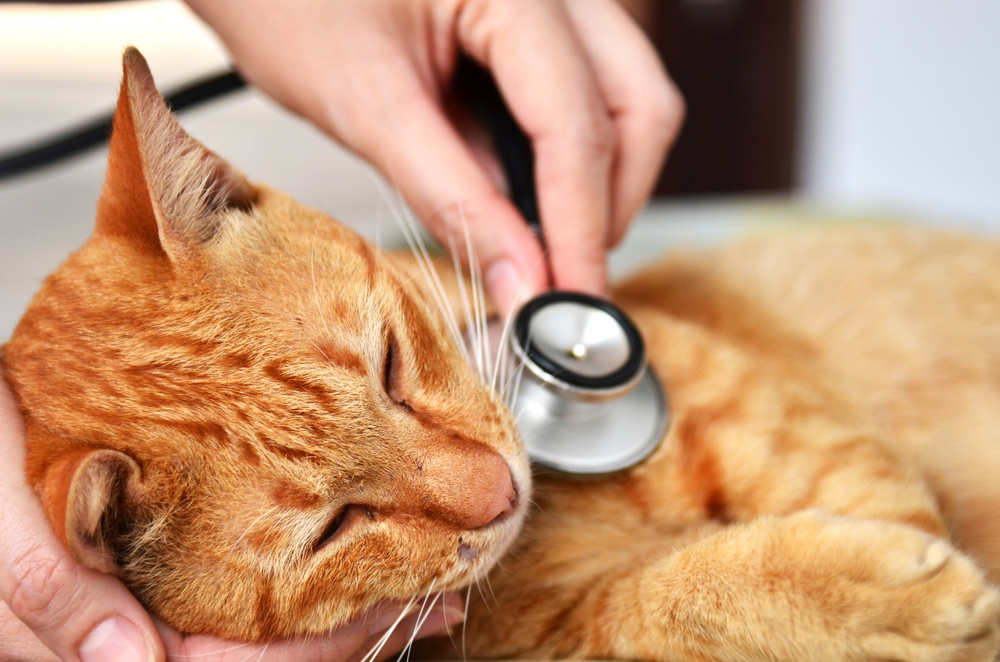
As cats age beyond 10 years, their brains undergo significant neurological changes that manifest in observable behavior shifts. Recognizing these patterns early allows you to seek veterinary intervention before cognitive decline progresses.
Spatial disorientation issues become evident when your cat gets stuck in corners, wanders aimlessly, or appears confused in familiar rooms. Approximately 28% of cats aged 11-14 and 50% of those over 15 show these changes. Disrupted circadian rhythms cause day-night reversal, with increased nighttime activity replacing normal sleep patterns due to acetylcholinesterase reduction affecting REM sleep.
You'll notice altered social behaviors—either excessive affection-seeking or withdrawal—alongside new anxieties and fears. Memory impairment appears through decreased litter box accuracy and difficulty performing once-familiar tasks, reflecting amyloid beta accumulation similar to Alzheimer's disease.
Why Litter Box Accidents Increase in Senior Cats
Litter box accidents represent one of the most frustrating challenges you'll face with senior cats, but they're rarely deliberate misbehavior. Instead, they signal underlying medical conditions, physical limitations, or environmental barriers that make proper elimination difficult or impossible.
Kidney disease creates urgent, frequent urination needs, while arthritis makes climbing into high-sided boxes painful. You'll need to address medical conditions affecting litter box usage through veterinary care and switch to wider, uncovered boxes with low entry points.
Position boxes on every floor of your home, away from loud appliances and high-traffic zones. Physical limitations impacting box access worsen when boxes hide behind narrow cat doors or sit in basements. Provide one box per cat plus one extra to reduce territorial conflicts. Keep litter boxes on the main living floor where your senior cat spends most of their time to minimize the distance they need to travel.
Why Aging Cats Want More Attention or Withdraw
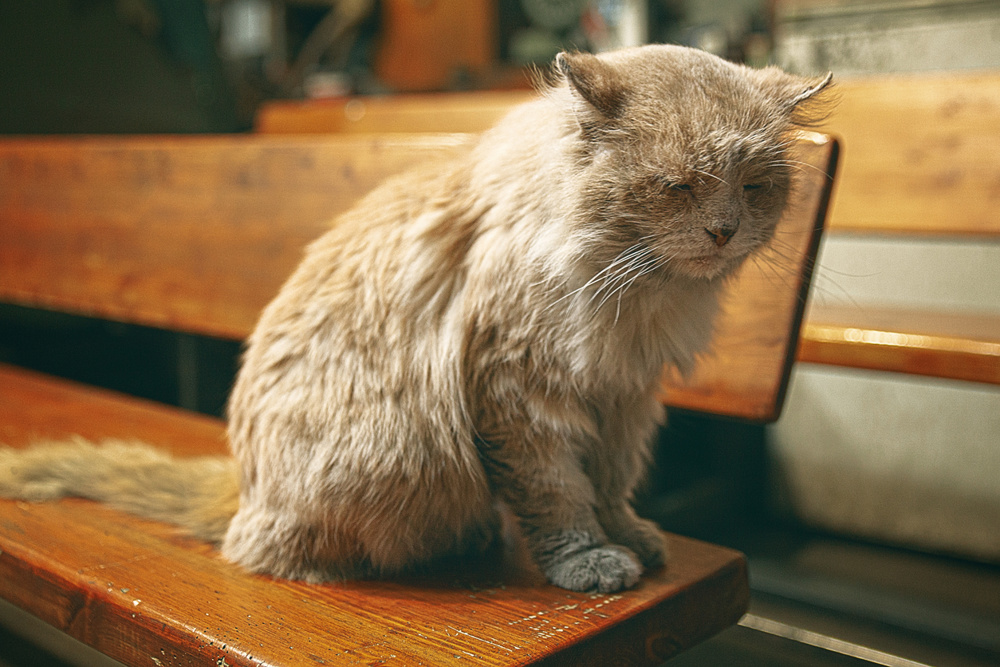
When your once-independent cat suddenly starts following you from room to room or hiding under the bed for days, you're witnessing behavioral changes that stem from specific medical, sensory, and cognitive challenges rather than simple personality shifts. Three primary causes drive these dramatic behavioral changes:
- Painful conditions like arthritis and dental disease create increased mobility challenges, making your cat reluctant to navigate their world independently and desperate for your reassuring presence
- Sensory decline from vision and hearing loss triggers heightened sensory sensitivity, causing your cat to cling to you as their anchor in an increasingly confusing environment
- Cognitive dysfunction generates anxiety and disorientation that manifests as plaintive nighttime vocalization or complete social withdrawal from family interactions they once enjoyed
Some senior cats demonstrate their need for attention through attention-seeking misbehavior like deliberately pushing objects off countertops while watching for your reaction.
How Senior Cats' Sleep and Activity Patterns Change
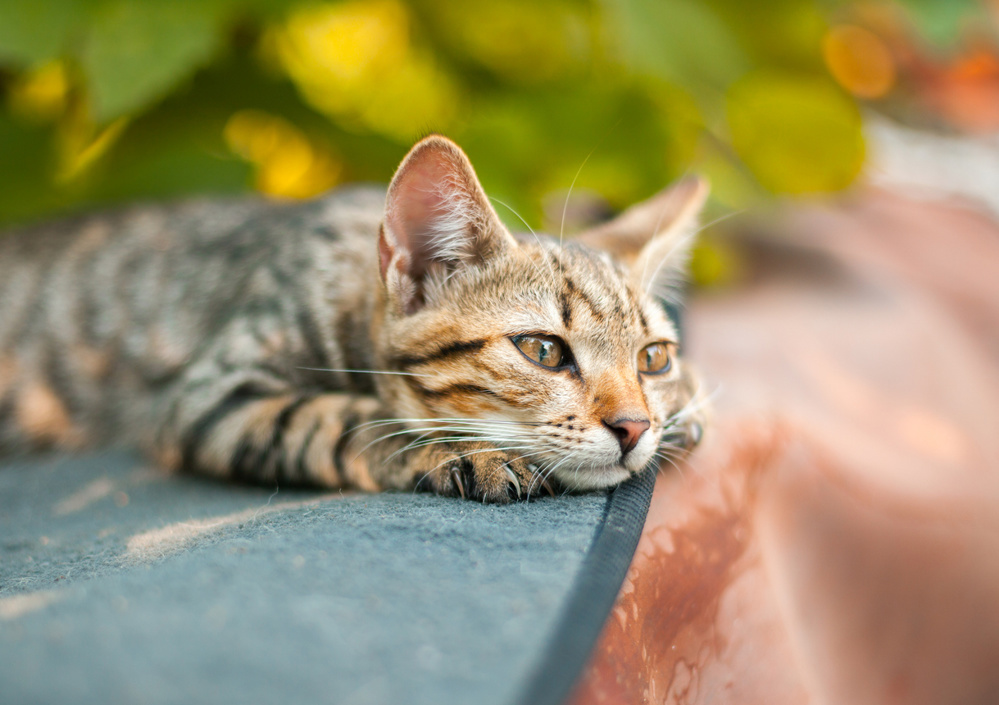
Your senior cat's transformation from energetic hunter to champion sleeper isn't laziness—it's a predictable biological shift that deserves your understanding. Senior cats sleep 18–20 hours daily, with 40% exceeding 18 hours. This increase supports their decreased metabolic rate and recovery needs.
Despite sleeping more, your cat maintains polyphasic patterns—multiple 78-minute sessions rather than continuous rest. These consistent routines replace erratic adolescent schedules. Cats cycle through 20- to 30-minute bursts of deep sleep, which allows them to remain alert and aware during their waking hours. Reduced mobility factors and chronic conditions like arthritis necessitate extended rest periods between activities.
Watch for warning signs: sleeping beyond 20 hours, disrupted sleep patterns with restlessness, or unusual hiding spots. Combined with appetite changes or excessive vocalization, these indicate underlying medical issues requiring veterinary attention. Hyperthyroidism, kidney disease, and hypertension commonly affect sleep quality in aging cats.
Appetite and Thirst Changes: The “Quiet Clues” People Miss
One of the most underrated senior-cat signals is a slow drift in eating and drinking habits. Older cats can start eating less because smell and dental comfort change, but they can also start eating more if something internal is revving their system up. The tricky part is that both can look like “normal aging” until you notice the pattern.
If your cat is suddenly draining the water bowl, camping by the faucet, or peeing much more often, that’s not just “getting older.” Increased thirst and urination can point to common senior conditions like kidney disease, diabetes, or thyroid issues. On the flip side, if your cat is eating less, dropping kibble, favoring one side of the mouth, or chewing like it hurts, dental disease is a frequent culprit—and it’s wildly common in older cats.
This is why senior wellness is so dependent on “small observations.” A little more thirst, a little more weight loss, a little more hunger—those are often the earliest signs that something is shifting.
The “Jump Math” Problem: Why Senior Cats Start Avoiding Heights
A lot of people think senior cats stop jumping because they’re less playful. Sometimes that’s true—but more often, it’s physics. If a cat has arthritis, sore hips, or spinal stiffness, jumping becomes a risk calculation. It’s not just the leap up; it’s the landing down. If landing hurts, your cat will quietly start choosing lower routes.
This shows up as subtle behavior: they hesitate before hopping onto the couch, they pause and “test” with their front paws, they use chairs as stepping stones, or they simply stop going to favorite high places altogether. Some cats also become grumpier about being picked up because their joints feel tender, even if they still want affection.
Grooming Shifts: When “Messy” Is Actually a Mobility Story
Senior cats often groom less, but it’s rarely because they stopped caring. Grooming is athletic. It requires flexibility, balance, and the ability to twist comfortably. When a cat’s back, hips, or shoulders start to ache, grooming turns into a chore—so they do less of it, especially in hard-to-reach areas like the lower back and hindquarters.
Sometimes the change goes the other direction: over-grooming. If a cat repeatedly licks one spot, it can be a stress behavior, but it can also be pain localization—cats will lick areas that feel sore, itchy, or inflamed. Either way, grooming changes are often one of the earliest visible signs that something physical is changing under the surface. Helping doesn’t have to be dramatic. A gentle brushing routine can reduce matting, lower hairballs, and keep skin healthier, especially if your cat is doing less maintenance on their own.
The “Senior Cat Setup”: Small Changes That Improve Life Fast
You don’t need to overhaul your home. A few adjustments can make your cat more comfortable immediately:
- Water fountain or extra bowls (hydration becomes more important)
- Stairs/ramps to beds and couches
- Non-slip rugs on slippery floors (great for arthritic cats)
- Gentle grooming routine if they’re grooming less (less fur = fewer hairballs and less skin irritation)
- Night light for cats who seem confused after dark
- Short play bursts instead of long sessions (keep it easy on joints)
These changes are basically senior-friendly design: less strain, fewer obstacles, more comfort.
Stir up your curiosity with more surprising facts about cats and pets!
When to Call the Vet (A Quick Checklist)
A vet visit is a good idea if you notice any of these lasting more than a week or two, worsening quickly, or showing up together:
- new or escalating night meowing
- litter box accidents (especially sudden)
- weight loss or appetite changes
- increased thirst or urination
- stiffness, reluctance to jump, limping, or “slow” movement
- hiding more than usual or acting unusually clingy
- confusion, pacing, getting stuck, or staring spells
You can also go in prepared by noting: when it started, what time it happens, whether appetite changed, and any new stressors (moves, schedule changes, new pets).
Conclusion
Senior cat behavior changes can look random from the outside. But most of the time, they’re part of a pattern your cat is trying to communicate—pain, sensory loss, internal health changes, or cognitive aging. The goal isn’t to treat your cat like they’re fragile. It’s to treat them like they’re valuable. With a few home adjustments and the right medical support, most senior cats don’t just “decline.” They settle into a softer, steadier era—still opinionated, still funny, still very much themselves.
Related posts