Texas Island and Coastal Escapes Visitors Should Know
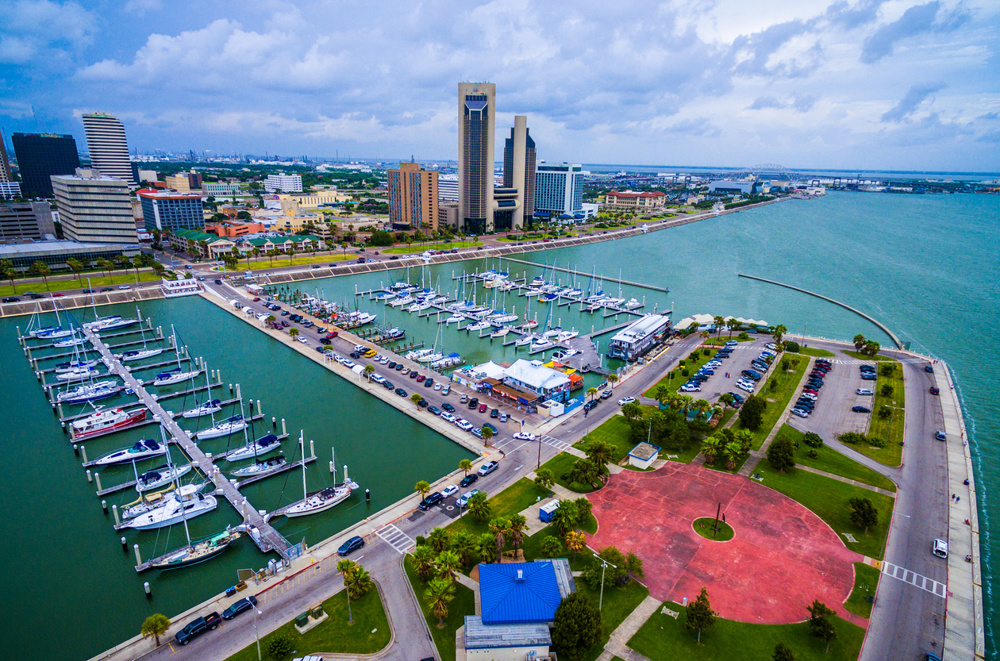
Texas’s Gulf Coast stretches about 367 miles and includes everything from historic island towns to long, undeveloped barrier-island beaches.
Visitors can plan around two very different kinds of trips: easy, amenity-rich beach towns (restaurants, museums, family attractions) or quieter stretches where nature and wide-open shoreline take center stage.
The destinations below highlight the best-known islands and coastal hubs for first-time visitors, plus practical tips for fees, permits, and low-cost ways to enjoy the water.
Best Texas Coast Beaches for First-Time Visitors: Corpus Christi vs. Padre Island
Choosing between Corpus Christi and Padre Island often comes down to convenience versus seclusion.
Corpus Christi is a strong “base-camp” city with easy access to beaches, waterfront attractions, and day trips to nearby barrier islands. It’s also a practical choice when you want restaurants, hotels, and family activities close together.
Padre Island offers two distinct experiences:
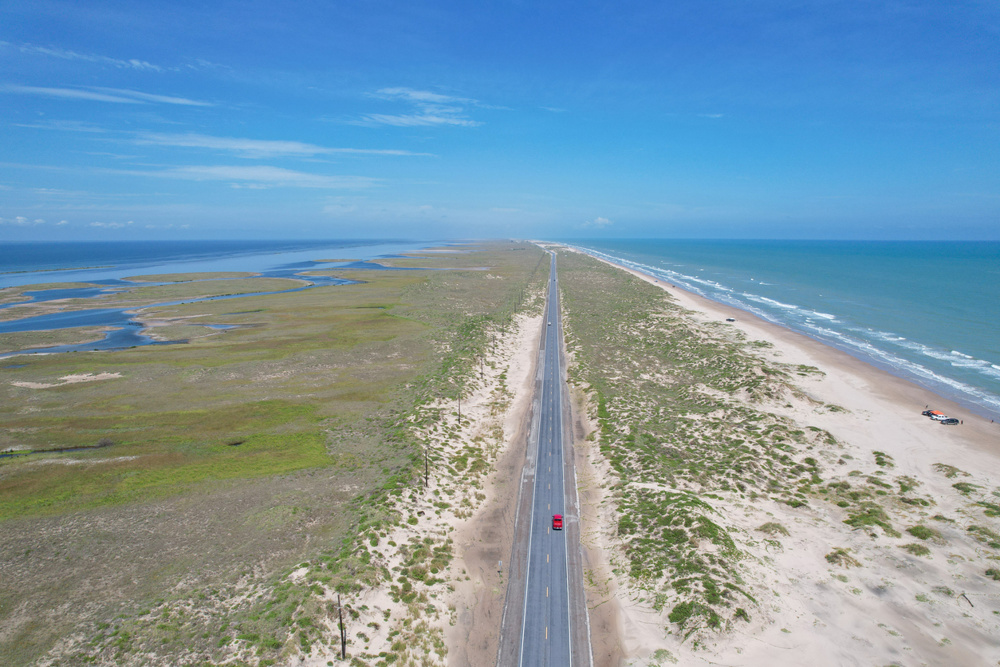
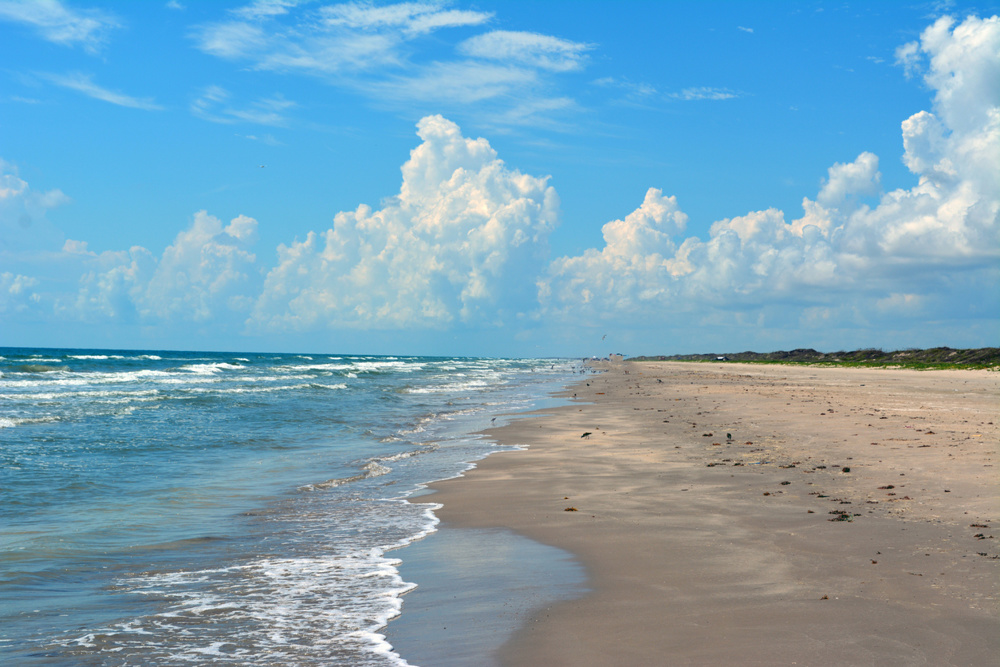
- Padre Island National Seashore near Corpus Christi is known for long stretches of undeveloped coastline and a more “wild beach” feel.
- South Padre Island (farther south near the Rio Grande Valley) is a resort-oriented beach town with a lively visitor scene and roughly 34 miles of beach.
If this is your first Texas coast trip and you want a simple itinerary with lots of choices close by, Corpus Christi is usually the easiest starting point. If you want a bigger “island vacation” atmosphere, South Padre Island is often the better match.
Barrier Island vs. Bayside Beaches: Understanding the Texas Coast
Texas’s Gulf Coast is defined by a long chain of barrier islands, narrow landforms that separate the Gulf of Mexico from shallow bays and lagoons such as Laguna Madre, Corpus Christi Bay, and Galveston Bay.
The Gulf-facing side of these islands usually features open surf, rolling waves, and wider sandy beaches. Water conditions here can change quickly depending on wind and tides, and the surf is typically stronger. These beaches are ideal for surf fishing, swimming, and beach driving, especially along areas like Padre Island National Seashore and Mustang Island.
On the opposite side of the islands are bayside waters, which tend to be much calmer. Protected by the barrier island itself, these waters usually feel warmer and have very small waves. Locations such as Laguna Madre near South Padre Island or the Corpus Christi Bay shoreline are popular for kayaking, paddleboarding, and beginner wind sports.
Families with younger children often prefer the calmer bayside areas, while travelers seeking traditional surf beaches tend to head toward the Gulf-facing shoreline.
Corpus Christi Wildlife Viewing and Waterfront Restaurants
Corpus Christi is widely known for birding, and it’s been promoted as “America’s Birdiest City” by local birding organizations and tourism partners, with 200+ bird species reported in the area.
Top places to spot wildlife and enjoy easy trails include:
- Oso Bay Wetlands Preserve & Learning Center, a city-operated preserve with habitat for coastal birds.
- Hans A. Suter Wildlife Refuge along the Corpus Christi Bay Loop, where a boardwalk gives you excellent views over tidal pools and shorebird habitat.
- Packery Channel Nature Park, a Laguna Madre-side park with birding boardwalk areas and habitat features designed for migrating birds.
For a classic coastal evening, many visitors pair a sunset drive along Ocean Drive with casual waterfront dining, then plan an early morning birding stop before beach time.
Padre Island National Seashore: Beaches, Trails, and Sea Turtles
Padre Island National Seashore protects 66 miles of undeveloped beach and dune habitat on the barrier island south of Corpus Christi.
The park is closely tied to Kemp’s ridley sea turtle recovery work. The National Park Service notes it has been part of a bi-national recovery program since the mid-1970s, focused on building a secondary nesting colony and supporting recovery efforts.
Popular ways to experience the seashore:
- Walk the boardwalk and join interpretive programming near Malaquite Visitor Center, which is typically open 9:00 a.m. to 5:00 p.m., 363 days a year (closed Thanksgiving and Christmas).
- Explore nature trails and the dunes for a quieter side of the coast.
- Enjoy fishing, paddling, and wind-focused water sports around Bird Island Basin.
Fees change over time, but recent National Park Service guidance lists 1-day, 7-day, and annual entrance pass options, with standard entrance pricing varying by vehicle type.
Galveston Island Family Attractions and Historic Strand District
Galveston Island is one of the easiest coastal escapes for visitors flying into or driving from Houston, with a mix of beaches, historic architecture, and family attractions.
Highlights that consistently anchor a first-time trip include:
- Moody Gardens (aquarium and rainforest-style experiences)
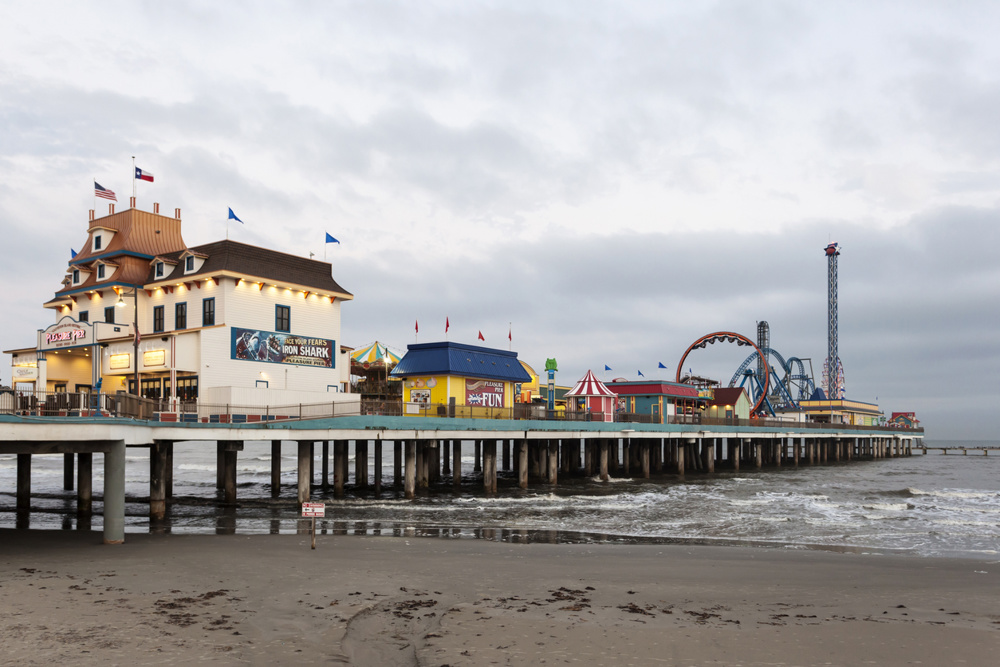
- Galveston Island Historic Pleasure Pier for rides and Gulf views
- The Strand Historic District for shopping, museums, restaurants, and historic streetscapes
- The Galveston Seawall, which stretches 10+ miles and is promoted locally as the longest continuous sidewalk in the U.S.
For something different, Galveston’s self-guided tree sculpture tour features carvings made from hurricane-damaged trees across island neighborhoods.
Nature-minded visitors can also explore the East End Lagoon Nature Preserve, a large coastal habitat area for birding, kayaking, and hiking.
Choosing Your First Texas Island: Galveston vs South Padre vs Port Aransas
First-time visitors often choose between three well-known island destinations: Galveston Island, South Padre Island, and Port Aransas. Each offers a slightly different coastal experience.
Galveston Island is the easiest beach destination for travelers visiting Houston. It combines historic architecture, museums, restaurants, and family attractions such as Moody Gardens and Pleasure Pier. It’s ideal for travelers who want beaches alongside history and entertainment.
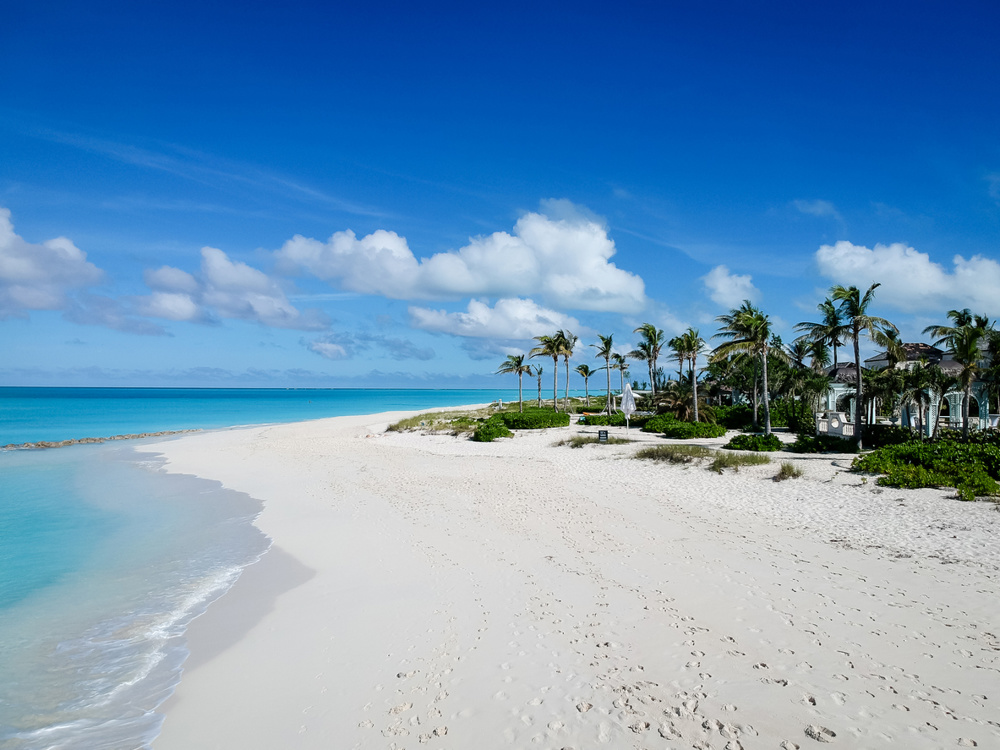
South Padre Island sits near the southern tip of Texas and is known for long stretches of white sand, clear water compared with other Texas beaches, and resort-style accommodations. It’s popular for spring break, but it also attracts families, nature enthusiasts, and kiteboarders throughout the year.
Port Aransas, located on Mustang Island, offers a relaxed fishing-town atmosphere. It’s widely considered one of the best places on the Texas coast for fishing charters, dolphin tours, and casual beach trips, making it a favorite for anglers and repeat coastal travelers.
Port Aransas Fishing Charters and Dolphin Watching Tours
Port Aransas sits on Mustang Island, about 30 miles northeast of Corpus Christi, and it’s one of Texas’s best-known hubs for saltwater fishing.
Typical trip styles range from inshore bay fishing to offshore charters, depending on conditions and season. If you’re targeting redfish and speckled trout, inshore trips are common. For offshore species, you’ll typically book longer runs.
If red snapper is on your list, Texas Parks & Wildlife outlines that state waters are open year-round with a 4-fish daily bag limit (minimum size limits apply), while federal waters run seasonal windows with different limits.
For dolphin-watching closer to shore, many visitors also book short boat tours around nearby coastal harbors and channels, especially when traveling with kids.
Planning a Fishing Trip: Inshore vs Offshore Charters
Visitors planning a fishing trip along the Texas coast usually choose between inshore (bay) fishing and offshore (deep-sea) fishing, depending on experience level and travel goals.
Inshore fishing takes place in protected bays, lagoons, and shallow waters such as Laguna Madre or Corpus Christi Bay. Trips often target species like redfish, speckled trout, and flounder. These charters usually last 3–5 hours and are ideal for beginners or families.
Offshore fishing ventures into the Gulf of Mexico, where anglers pursue larger species such as red snapper, king mackerel, mahi-mahi, and tuna. Offshore trips often require 6–12 hours on the water and calm weather conditions.
Fishing regulations vary by species and season, and Texas Parks & Wildlife manages bag limits and size requirements to protect fish populations. Most visitors simply purchase a Texas saltwater fishing license and let charter captains guide them through the current regulations.
For many first-time visitors, starting with an inshore charter provides a relaxed introduction before trying a longer offshore excursion.
Flying Into Houston or Corpus Christi: Texas Coast Airport Options
For most visitors, the airport decision comes down to flight availability versus drive time.
Houston has two major commercial airports—George Bush Intercontinental (IAH) and William P. Hobby (HOU)—with broad route networks. Houston Airports reported a combined 63.1 million passengers in 2024 across IAH and HOU, reflecting their role as major gateways.
If your plan centers on Padre Island National Seashore, Port Aransas, or Corpus Christi beaches, flying into Corpus Christi International Airport (CRP) can reduce drive time and simplify logistics, even if flight options are more limited.
Free and Low-Cost Beach Activities Along the Gulf
A Texas coast trip doesn’t have to be built around expensive excursions.
Budget-friendly ideas that work well across multiple destinations include:
- Beachcombing, swimming, and sunset walks at public access points
- Pier strolls and shoreline fishing (fees vary by location)
- Birding during migration seasons, especially around coastal wetlands
- Free community events when timing aligns
In Corpus Christi, the Bay Jammin’ Concert & Cinema Series at Cole Park Amphitheater has been promoted as a free summer concert-and-movie series (concerts on Thursdays; movies on Fridays in the referenced schedule).
If you want a “small-town coast” feel, Fulton Beach Park is often cited for having picnic areas and a long pier, with visitors reporting free park access (though fishing fees can apply).
Best Time to Visit the Texas Coast
The Texas coast can be visited year-round, but the experience changes significantly depending on the season.
Spring (March–May) is one of the most popular times to visit. Temperatures are warm but usually not extreme, and bird migration peaks along the Great Texas Coastal Birding Trail. Spring also brings steady coastal winds that attract kiteboarders and windsurfers, especially around the shallow waters of Laguna Madre near South Padre Island and Bird Island Basin.
Summer (June–August) delivers classic beach weather with warm Gulf waters and long daylight hours. This is the busiest season for family vacations, fishing charters, and resort travel, particularly in Galveston and South Padre Island. However, summer heat often exceeds 90–95°F, so early morning beach outings and evening waterfront activities are common.
Fall and winter shoulder seasons (September–February) offer cooler temperatures, lighter crowds, and excellent fishing conditions. Fall can be especially enjoyable for visitors who want quieter beaches while still enjoying warm Gulf water.
Beach Parking Permits and Camping Rules: What You Need
Texas coast rules vary city by city, so it helps to plan around where you’ll drive onto the sand.
Key permit and rule examples visitors run into often:
- Corpus Christi Beach Parking Permit: the City of Corpus Christi lists a $12 annual beach parking permit for designated Gulf beach areas.
- Port Aransas Beach Parking Permit: Port Aransas notes a $12 permit to park along beaches in the marked areas, with some free parking zones.
- Rockport Beach: published fees include $10 daily, with annual options that vary by residency (Rockport Beach also notes a $20 resident annual pass and $50 non-resident annual pass).
For beach camping in Port Aransas, local guidance notes it’s limited to three nights during any three-week period, and camping is prohibited within 25 feet of the driving lane and within 50 feet of the water’s edge, with additional spacing restrictions near access roads.
If you’re camping on the beach inside a state park (like Mustang Island State Park), expect a day-use fee and park rules to apply; Texas State Parks lists a $7 per day fee for visitors 13 and older at Mustang Island State Park in the referenced campground details.
Beach Safety and Smart Packing Tips
Preparing for the Texas coast means thinking about sun exposure, surf conditions, and wildlife encounters.
Because the region experiences intense sunshine, visitors should bring high-SPF sunscreen, hats, sunglasses, and lightweight sun-protective clothing. Hydration is also essential, particularly during summer months when heat indexes often climb well above 100°F.
Rip currents can occasionally develop along Gulf beaches, especially after storms or during periods of strong surf. Many Texas beaches use colored flag systems to indicate daily water conditions:
- Green flag – calm conditions
- Yellow flag – moderate surf or currents
- Red flag – dangerous conditions; swimming discouraged
Jellyfish are also present at certain times of the year, especially during warmer months. While most encounters are minor, visitors should avoid touching marine life and rinse any sting area with seawater rather than freshwater before seeking assistance.
Packing lightweight beach shelters, reusable water bottles, and footwear suitable for hot sand can make long beach days more comfortable.
South Padre Island Places to Stay and Planning Notes
South Padre Island continues to add and refresh lodging options, ranging from extended-stay hotels to beachfront resorts.
Examples that are currently listed and operating include:
- Home2 Suites by Hilton South Padre Island at 1709 Padre Blvd (suite-style lodging with in-room kitchen setups).
- El Delfín Lodge on Padre Boulevard (a locally positioned, art-forward hotel concept promoted as open since 2022).
For meetings and groups, the Courtyard by Marriott South Padre Island lists event space and planning resources through Marriott, but published summaries vary on total square footage depending on directory source and should be checked against the hotel’s official event page for the most current figures.
If wildlife is part of your itinerary, the South Padre Island Birding & Nature Center is a popular stop, and its own site publishes hours and admission information (so it’s better described as a paid attraction rather than a free program stop).