Pop Culture’s Celebrity Cats: Famous Felines and the Fandoms That Love Them
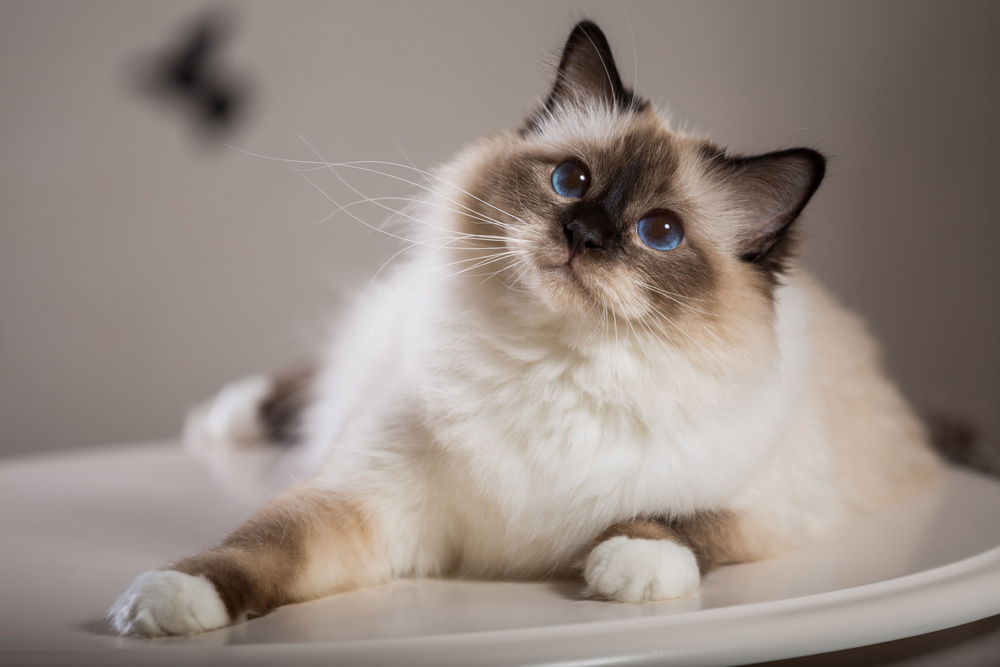
Celebrity cats have always done something humans can’t: they hold attention without trying to be liked. They’re glamorous and slightly rude. They’re cute and slightly ominous. They show up, do one weird little thing, and the internet (or a whole generation of TV viewers) turns it into lore.
That’s why famous felines keep outlasting trend cycles. Whether they’re scripted icons like Salem Saberhagen, accidental legends like Keyboard Cat, or real-life pets attached to megastars, celebrity cats become more than “pets” or “characters.” They become symbols—of comfort, chaos, independence, even taste.
The Scripted Icon Cat: When TV Gives a Cat a Personality
Fictional cats are built to be memorable because they’re basically storytelling shortcuts. Give a cat a voice, a glower, or a supernatural backstory and you instantly get: mystery + comedy + menace + comfort. Salem Saberhagen is the perfect example. In the 1990s Sabrina the Teenage Witch, Salem’s sarcasm and “former warlock” energy turned him into the show’s comedic engine—and Nick Bakay’s voice made that personality stick in pop memory.
On the other end, you’ve got cats like Mrs. Norris in Harry Potter: not funny, not cuddly, but unforgettable because she functions like surveillance with whiskers. These cats work because they’re not just pets; they’re plot devices. They signal tone. “A talking cat” means whimsy. “A lurking cat” means danger. Either way, you remember the cat.
From Keyboard Cat to Nala: The Internet Fame Revolution
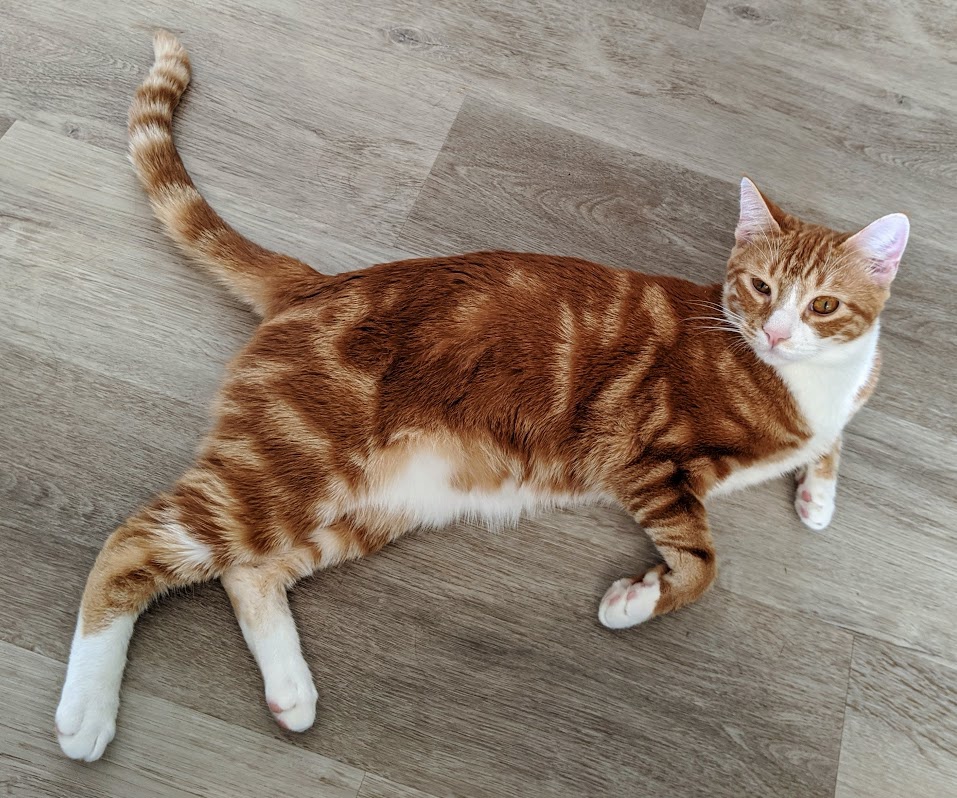
While Salem Saberhagen's fame relied on professional writers and network television slots, a bored Florida artist named Charlie Schmidt accidentally revolutionized celebrity cats in 1984. He filmed his orange tabby Fatso wearing a blue infant T-shirt. Schmidt manually manipulated Fatso's paws to create the keyboard-playing illusion, uploading the footage to YouTube in 2007 without commercial intent.
The influence of Keyboard Cat exploded in February 2009 when Brad O'Farrell's "Play Him Off" derivative video triggered over 200 user-generated variations within three months. Mainstream coverage grew quickly. Ashton Kutcher’s million-follower endorsement helped push it into the spotlight.
Brand partnerships with Weezer and Super Bowl advertisers also proved that amateur cat videos could generate unprecedented cultural impact and commercial opportunities. The phenomenon expanded across gaming platforms, appearing as an easter egg in World of Warcraft: Cataclysm and inspiring boss characters in Earthworm Jim.
Rock Stars and Writers Who Devoted Their Lives to Cats
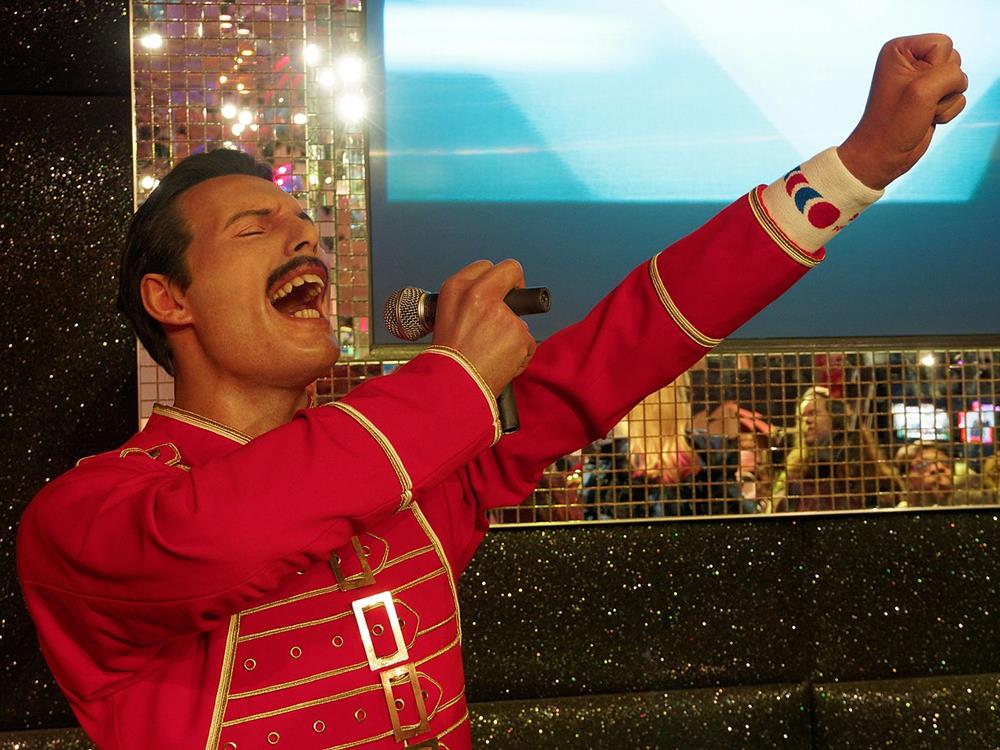
From Freddie Mercury dedicating his 1985 "Mr Bad Guy" album to "Jerry and all cat-lovers across the universe" to Taylor Swift's Instagram documentation of Meredith and Olivia Benson, rock stars transformed feline companionship into public declarations of devotion.
Mercury's celebrity cat legacies included writing an entire song for Delilah and ensuring his rescued cats received proper care in his will. You'll find cat loving rock star eccentricities everywhere: Ed Sheeran's cats boast 290,000 Instagram followers, while Kesha's Mr Peeps maintains an independent Twitter profile.
Billy Corgan adopted kittens with pre-existing health conditions, and Iggy Pop rescued a cat during filming in Ibiza. Kurt Cobain appreciated cats' "'Fuck You' attitude," while Morrissey called them "very intelligent and very superior" in Daily Telegraph interviews. John Lennon rescued a cat named Tim that lived over 20 years.
Why We Love Supernatural Cats Like the Cheshire Cat and Binx
Supernatural cats captivate us because they embody everything, we find mysterious about real felines, amplified to fantastical extremes. The Cheshire Cat's ability to vanish until only his grin remains represents the elusive nature you've experienced with your own cat. Thackery Binx's 300-year immortality transforms typical feline aloofness into something transcendent.
These characters carry mystical symbolism inherited from centuries of folklore—from Celtic cait sidhe to Egyptian divine protectors. Their cultural baggage includes medieval persecution narratives that branded black cats as Satan's incarnation, making them symbols of forbidden knowledge.
The Cheshire Cat doesn't provide answers; he embodies cognitive dissonance and quantum uncertainty. His intellectual detachment serves as divine friction, compelling you to stop seeking external maps and start drawing your own. Binx demonstrates loyalty through sacrifice. Both characters bridge mortal and supernatural realms, externalizing psychological processes that help you navigate consciousness itself.
How Queen Victoria and Freddie Mercury Made Certain Breeds Famous
Celebrity influence on cat breeds didn't begin with Instagram influencers—it started in Victorian drawing rooms and rock star mansions. Queen Victoria's influence on Persian cat breed popularity transformed these luxurious longhairs from exotic rarities into coveted companions.
When she exhibited her Persians at the Crystal Palace Cat Show in 1871, British society took notice, sparking a breeding frenzy that continues today. Her granddaughter, Princess Victoria of Schleswig-Holstein, continued this royal legacy as both an active breeder and exhibitor of Blue Persians, Silver Tabbies, and Chinchillas.
Similarly, Freddie Mercury's advocacy for Chinchilla cat breed awareness brought unprecedented attention to these silver-coated beauties. The Queen frontman's devotion to his Chinchillas introduced millions of fans to the breed's gentle nature and striking appearance. These royal and rock star endorsements didn't just create trends; they fundamentally shaped which breeds you'll find in homes worldwide.
Persian Mousers to Instagram Stars: Famous Cats Through the Centuries
Cats have captivated human imagination for millennia, evolving from sacred companions to social media sensations while maintaining their enigmatic allure. You'll find ancient mouser legends dating back to Ta-Miu, Crown Prince Thutmose's beloved companion in 1400 BCE Egypt, who earned mummification in a decorated sarcophagus.
Romans later designated cats as sacred temple dwellers around 400 AD, though medieval Europe reversed this reverence by associating felines with witchcraft. Presidential pets like Lincoln's Tabby and Dixie brought cats into American spotlight, while Hemingway's polydactyl Snowball established a famous Key West dynasty. The space age introduced Félicette, France's pioneering astrocat in 1963.
Today's historical cat memes celebrate figures like Nala, social media's most-followed feline, and YouTube stars Cole and Marmalade, proving cats' enduring celebrity status. The viral fame of Grumpy Cat, whose grumpy facial expression became an internet sensation in 2012. Her owner kept insisting she was happy and loved cuddles, demonstrated how feline personalities could capture worldwide attention.
Why We Obsess Over Cats We've Never Met
While our ancestors valued cats primarily for their mousing abilities, you're now just as likely to follow a feline influencer you'll never meet as you're to own one yourself. This phenomenon reflects parasocial relationships with famous felines, where you develop emotional connections to cats through screens rather than physical interaction.
The psychological factors in animal fandom reveal why these one-sided bonds feel so compelling. Celebrity cats offer stress relief without responsibility, trigger dopamine responses through their content, and create communities where you connect with fellow enthusiasts.
Their curated presence provides predictable comfort in an unpredictable world, explaining why millions willingly obsess over cats they'll never actually pet. These felines often enjoy elevated social media status, appearing more frequently in posts than the people who care for them.
Do Real Celebrity Cats or Fictional Ones Last Longer?
Real celebrity cats face the inevitable limitations of biological lifespans—most live 12-18 years regardless of their fame. Grumpy Cat, Lil Bub, and Colonel Meow all left devoted fanbases mourning their relatively brief time in the spotlight. Some breeds like Persians can reach exceptional longevity, with lifespans between 12-17 years, though this still pales in comparison to fictional immortality.
Fictional cats, however, achieve immortality through their media formats. Garfield's been lasagna-loving since 1978, while Hello Kitty hasn't aged since 1974. These characters maintain cultural relevance across generations without the constraints of real life cat longevity comparisons.
The trade-off's clear: real cats offer authentic personalities that deeply connect with fans, but fictional ones provide endless content possibilities. Your favorite meme cat may disappear within decades, but cartoon cats can entertain indefinitely.
What Today's Cat Influencers Reveal About Modern Pet Culture
Today's Instagram feeds and TikTok algorithms tell a different story about our relationship with pets than past generations experienced. The rise of cat centric social media has transformed felines from private companions into public personalities with millions of followers. You'll find cats promoting everything from pet food to luxury accessories through carefully curated content that blends authenticity with marketing savvy.
Cat influencers and brand partnerships now generate substantial revenue, reflecting broader pet industry growth patterns. These digital celebrities influence your purchasing decisions more effectively than traditional advertising. The phenomenon reveals how modern pet ownership intertwines with identity expression and social connection. You're not just sharing cute photos—you're participating in a cultural shift where pets become content creators, economic assets, and symbols of lifestyle aspiration.
Check out MrPopCulture.com and learn more about pop culture trends in cats.
Conclusion
Celebrity cats keep winning because they offer what modern pop culture is running low on: uncomplicated presence. And maybe that’s why the fandom is so intense. In a world where everything feels manufactured, a cat’s indifference feels honest.
Their fame isn’t built on trying harder—it’s built on being unmistakably themselves. If 2026 has a cultural mascot, it isn’t a pop star. It’s a cat with a perfect glare, a well-timed blink, and absolutely no interest in being perceived—except, of course, by the millions of people who can’t stop watching.