Why Texas Cats Might Just Have the Most Attitude
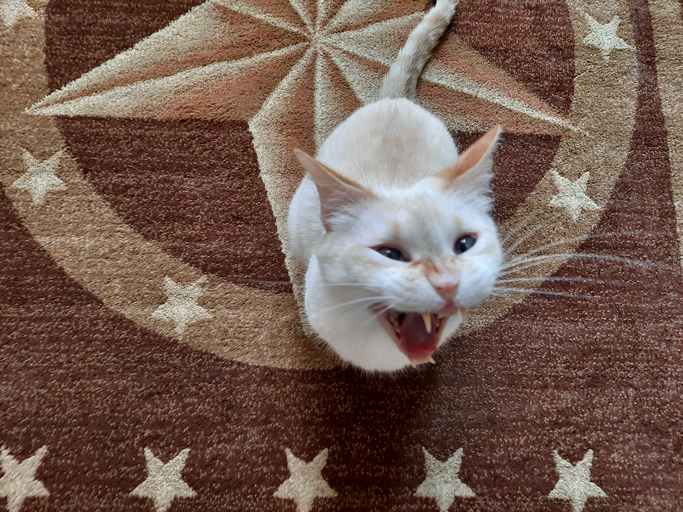
Texas cats showcase exceptional attitude due to their strong territorial nature, relentless hunting instincts, and adaptation to harsh environments. You'll notice their sassy independence mirrors the state's own bold spirit. Their behavior intensifies in urban settings where they navigate complex social structures and combat extreme heat.
These felines display survival mechanisms that manifest as assertive personalities—what you might call "cattitude." The reasons behind their outsized personalities run deeper than mere stereotypes.
The Lone Star Feline: Understanding Texas Cats' Territorial Nature
Three defining traits make Texas cats notoriously territorial creatures: their strong defensive instincts, their expansive boundary perceptions, and their unwavering determination to protect what's theirs. Your feline's territory may extend well beyond your home, encompassing the entire neighborhood where they roam, hunt, and claim as their domain.
You'll notice both male and female Texas cats display aggressive territorial behaviors—chasing, ambushing, hissing, and swatting intruders. This poses challenges when adapting to multi-cat households, as some cats never fully accept sharing their space. Early socialization substantially reduces these tendencies. Free-ranging domestic cats, including those in Texas, contribute significantly to wildlife mortality rates, killing an estimated billions of birds and mammals annually across the United States.
For owners facing territorial disputes, mitigating neighborhood conflicts often requires professional intervention. Cats from feral backgrounds typically exhibit more intense territorial behaviors, fighting harder to defend resources they once had to survive without.
Wild at Heart: Hunting Instincts That Shape Attitude
Despite having their food bowls filled regularly, Texas cats retain their primal hunting instincts with remarkable tenacity. You'll notice your feline companion stalking prey with the same intensity as their wild bobcat relatives, regardless of how well you feed them.
These predatory adaptations—acute hearing, stealthy movement, and crepuscular activity patterns—aren't just wilderness skills but personality shapers. When your cat displays that famous Texas attitude, you're witnessing evolutionary survival mechanisms in action. Similar to mountain lions that are relentless in pursuit of their prey, domestic cats exhibit this same determined hunting behavior.
This persistent hunting drive has significant conservation impacts, as cats collectively kill billions of birds and mammals annually. Unlike native predators whose hunting decreases with food abundance, your domestic cat's hunting motivation remains intrinsic. Even in suburban settings, that sassy, independent attitude reflects a wild heart that's uniquely Texan—territorial, resourceful, and unapologetically predatory.
Urban Cowcat: How City Living Affects Texas Cat Behavior
Anyone who's met a city-dwelling Texas cat knows they're cut from a different cloth. These urban felines display remarkable habitat adaptation, traversing concrete jungles while maintaining their wild edge. You'll notice their distinct "cattitude" isn't random—it's shaped by urban pressures and survival instincts.
Bobcats in Dallas–Fort Worth maintain high densities despite urbanization, cleverly using creek corridors and green spaces as natural highways. These adaptable predators typically prefer wild food sources rather than pet food or domestic animals. City cats develop smaller territories with significant overlap, especially where food resource predictability is high.
Many urban cats display anxiety-related behaviors linked to city stressors like noise and crowding rather than pure “moodiness.” Both wild and domestic urban cats show behavioral plasticity, adjusting their active hours to avoid human interaction while maximizing hunting success.
Their attitude? It's not sass—it's sophisticated urban survival.
Owner Knowledge Gap: When Human Misunderstanding Creates "Cattitude"
The greatest misconception about Texas cats' notorious attitude is that it exists at all. What you're seeing isn't attitude but miscommunication. When your cat urinates outside the litter box, it's rarely spite—it could be a urinary tract infection that needs attention. These owner misconceptions about medical causes lead to delayed treatment and worsening behavior.
Your cat's flicking tail isn't sass; it's a warning signal you're missing. Playing with hands creates biters, not mean cats. Environmental enrichment deficits cause destructive behaviors mistaken as bad temperament. Many owners fail to realize that excessive meowing and inappropriate urination are often symptoms of unsterilized cats rather than personality flaws.
Owner cat bonding deficiencies develop when you misread normal feline behavior as defiance. Research shows that understanding cat communication directly correlates with fewer "problem behaviors." What you call cattitude is usually just your cat trying to tell you something important.
Colony Life: How Free-Ranging Communities Develop Strong-Willed Cats
While domesticated house cats may develop what appears to be attitude through misunderstandings with their owners, free-ranging colony cats earn their strong-willed personalities through genuine survival necessity.
In Texas colonies, you'll notice social hierarchy formation creates a complex power structure where dominant cats control prime resources and establish clear boundaries. Trap-Neuter-Return (TNR) programs can improve the health and stability of these colonies while preserving their natural social structures.
The competitive environment of colony life shapes cats with genuine "cattitude" through:
- Constant defense of limited resources creating assertive, self-reliant behaviors
- Kin-based territoriality among females, forming protective maternal subgroups
- Male territorial aggression that reinforces dominant posturing and controlled aggression
- Environmental stressors like Texas heat pushing cats to develop survival-driven boldness
These colony-formed attitudes aren't just personality quirks—they're essential survival mechanisms in harsh free-ranging environments.
The Heat Factor: Weather's Influence on Texas Cat Temperament
Few environmental factors shape Texas cats' attitudes more dramatically than the region's notorious heat. You'll notice these felines adapting their entire schedules, shifting more of their activity to the cooler night and twilight hours to save their energy during scorching days and unleash their personality after sunset.
Your cat's seemingly moody behavior can sometimes stem from their sensitivity to weather changes before storms. That sudden dash under the bed? It's their evolutionary weather detection system at work.
Their climate control needs drive them to seek out cool microhabitats, making them appear aloof when they're simply practicing survival. The extreme temperature swings stress their bodies, elevating irritability and defensive reactions. Similar to ocelots in South Texas, which reduce daytime activity on hotter days and are most active at night and in twilight hours, domestic cats may become more active in the cooler evening and nighttime to avoid uncomfortable high daytime temperatures.
When your Texas cat gives you attitude, remember they're managing a challenging environment with instincts finely tuned to this demanding climate.
Management Solutions: Taming the Texas Cat Attitude
Addressing your Texas cat's attitude doesn't require resignation—it demands strategic management. Through environmental modifications and consistent training approaches, you can redirect those sassy Texas behaviors while preserving your furniture and sanity.
Start by collaborating with your veterinarian to rule out medical causes before implementing behavior plans. Then focus on these enrichment strategies:
- Block access to problematic areas using deterrents like double-sided tape or tin foil
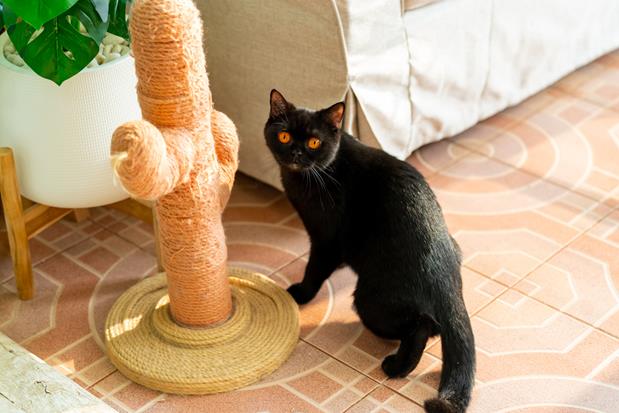
- Provide appropriate outlets for natural behaviors—scratching posts positioned near furniture they currently target
- Create consistent daily routines to reduce stress-related behaviors
- Utilize positive reinforcement when they use approved items instead of your couch
Remember that management isn't just a temporary fix—it's an ongoing strategy that works alongside training to help your Texas feline thrive with all their attitude intact. For litter box issues, ensure you have one box per cat plus an extra one placed in socially important areas of your home.