Calendar of Cat Behavior: What Your Cat Is Probably Doing Each Season
Your cat follows a predictable seasonal calendar: during winter, they'll sleep up to 20 hours daily and eat more due to disrupted circadian rhythms and energy conservation needs. Spring brings hyperactivity and dramatic shedding as longer daylight triggers hormonal changes and coat transitions over 6-7 weeks. Summer heat above 80°F reduces their appetite and activity by up to 76.6%. Throughout these cycles, they're also managing dry skin, increased grooming, and territorial behaviors that shift with each season's unique environmental triggers.
Design your own event calendar to share important dates with friends or your community.
Why Your Cat Sleeps More and Eats More in Winter
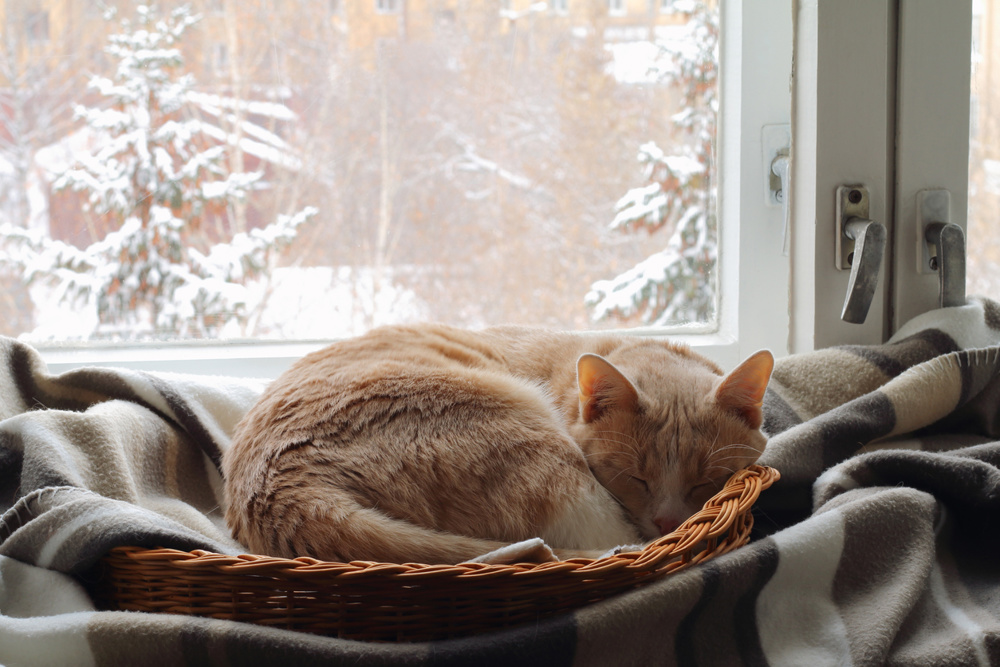
When winter arrives, your cat's sleep schedule transforms dramatically due to disrupted circadian rhythms. Shorter daylight hours confuse your cat's internal clock, causing it to sleep up to 20 hours daily instead of the typical 12 to 16. Reduced sunlight decreases serotonin while increasing melatonin production, creating temperature induced lethargy and sometimes gloomy moods affecting one-third of cats.
Your cat's appetite also increases during colder months as evolutionary instincts drive energy conservation. This metabolic shift helps maintain body temperature while reducing activity levels. You'll notice your cat seeking warm spots like heaters and blankets, curling tightly to preserve heat.
With fewer insects and critters available to chase during winter, your cat experiences reduced stimulation from hunting opportunities. Some cats display increased licking behaviors alongside these seasonal changes, grooming more frequently as part of their comfort-seeking routine during winter's darker, colder days.
How Cold Weather Dries Out Your Cat's Skin and Paw Pads
As temperatures plummet and heating systems kick into high gear, your cat's skin faces a double assault from environmental conditions that strip away essential moisture. Indoor heating depletes natural protective oils while low humidity accelerates evaporation from the epidermis. You'll notice flaky, itchy skin and increased dander as your cat's fur becomes brittle and dry.
Older cats and long-haired breeds face elevated risk, while pre-existing conditions like allergies and hyperthyroidism worsen during winter months. Managing skin irritation requires maintaining 30-50% humidity through humidifiers and feeding omega-rich diets.
Daily brushing distributes natural oils across the coat, and dealing with dry paw pads becomes easier when you increase water availability through fountains and wet food while limiting unnecessary baths. Regular exercise helps prevent obesity, which can hinder your cat's ability to properly groom themselves during these challenging winter conditions.
Spring Energy Surge: Why Does Your Cat Get "Spring Fever"?
Winter's chill gives way to warming sunshine, and your once-sedentary cat transforms into a hyperactive whirlwind racing through your home at 3 AM. This "spring fever" stems from longer daylight hours shifting your cat's diurnal rhythms and triggering earlier wake times.
Warmer temperatures draw your cat to windows where birds and insects create irresistible prey attraction, heightening curiosity and territorial behaviors. Hormonal changes affect both intact and neutered cats during breeding season, increasing vocalization and marking. Your cat's enhanced sensory perception detects subtle temperature and scent shifts you'll miss entirely.
Kittens experience noticeable growth spurts, while all cats show increased appetite from heightened metabolic activity. Indoor cats may have less activity during colder months and need to burn off accumulated energy once spring arrives. Combat the chaos with interactive play sessions, climbing structures, and supervised outdoor access.
What Happens to Your Cat's Coat During Spring Shedding
Though you've vacuumed twice this week, tufts of fur still tumble across your floor like tiny tumbleweeds. Your cat's dramatic spring shedding begins in February or March, triggered by longer daylight hours rather than temperature changes. The pineal gland responds to increased light exposure, reducing melatonin production and signaling hormonal shifts that activate the shedding cycle.
Your cat's dense winter undercoat falls out over six to seven weeks, replaced by lighter summer fur for temperature regulation. This coat loss management challenge intensifies between March and May. Seasonal grooming adjustments become essential as hair follicles transition through growth, rest, and shedding phases.
Even indoor cats experience this transformation, though typically less dramatically than outdoor cats who undergo heavier shedding. Double-coated breeds like Maine Coons and Persians tend to shed more heavily during this seasonal transition.
Why Your Cat Eats Less and Moves Less in Summer Heat
When summer temperatures climb above 80°F, your cat's metabolism shifts into a lower gear, triggering noticeable changes in both appetite and activity. She'll reduce movement during daylight hours to prevent internal heat buildup, naturally prioritizing energy conservation over exercise.
Mid day nap frequency increases dramatically as she seeks cool tile floors, bathrooms, and shaded window spots to conduct heat away from her body. You'll notice decreased appetite throughout the day, with recovery typically occurring between 9-11 PM when temperatures drop.
This coincides with elevated water intake requirements as she manages internal thermoregulation through increased grooming and evaporative cooling. Her licking fur helps evaporate saliva and provide a slight cooling effect. Keep indoor temperatures between 75-78°F and monitor for concerning signs like panting, drooling, or uncoordinated movement.
How Extreme Heat Reduces Your Cat's Activity by 76
The numbers tell a stark story: extreme heat events trigger a 76.6% drop in your cat's overall activity levels, representing the most dramatic behavioral shift documented across all weather conditions. This reduction isn't laziness—it's survival.
When temperatures exceed 104°F, your cat can't self-regulate body temperature anymore. They'll minimize movement to reduce metabolic heat generation, switching to nighttime activity when it's cooler. The metabolic changes from heat extend beyond movement; decreased feeding directly correlates with reduced water intake.
Your cat instinctively seeks shade and cooler surfaces, but without proper environmental management, heat stress or fatal heatstroke becomes dangerously possible. Because domestic cats descend from the African wildcat, a desert animal, they evolved to obtain most of their water from prey rather than drinking directly, making hydration during heat waves particularly challenging.
Your Cat's Fall Behavior Shift: More Play, More Appetite
As summer's oppressive heat fades into crisp autumn air, your cat's behavior undergoes one of the year's most noticeable transformations. However, it's not the dramatic 76% activity drop you saw during extreme heat. Fall triggers your cat's instinctive preparation mode, resulting in increased food consumption and heightened playtime as comfortable temperatures return. Your cat's autumn shift includes:
- Prowling kitchen counters more frequently, meowing persistently near food bowls as biological hunger signals intensify for winter preparation
- Pouncing on toys with renewed energy, zooming through hallways during dawn and dusk as cooler air revitalizes their activity levels
- Claiming the sunniest window perches, basking in warm afternoon light while conserving energy between active bursts
Monitor portion sizes carefully—this seasonal appetite surge can quickly lead to unwanted weight gain despite their increased activity. You may also notice your cat shedding more heavily during this period as their coat transitions from summer to winter fur. This requires more frequent brushing sessions to manage loose hair and prevent hairballs.
Why Your Cat Develops a Thicker Coat Each Fall
Along with your cat's increased appetite and playful energy, you'll notice another physical change this time of year: their coat becomes noticeably fluffier and thicker. This transformation happens because shorter daylight hours and dropping temperatures trigger your cat's body to grow a denser coat naturally.
According to the AVMA, 72% of cat owners report thicker coats during fall and winter. The quality of winter coat depends largely on your cat's environment. Outdoor cats develop visibly thicker coats when exposed to natural temperature shifts, while indoor cats in climate-controlled homes show minimal seasonal changes.
The impact of dry air on coat can be significant—indoor heating strips moisture, potentially causing dry skin. Your cat's winter coat typically appears dual-layered, with a fluffy underlayer beneath a sleeker top coat. To support healthy coat growth during this seasonal transition, provide a diet rich in protein and Omega-3 fatty acids.
How Rain Reduces Your Cat's Grooming and Scratching
Rainy weather creates a noticeable shift in your cat's daily routine, particularly affecting their grooming and scratching habits. While research shows rain influences feline behavior patterns, the specific mechanisms behind reduced grooming frequency and decreased scratching behavior during wet weather require further study.
Observations suggest cats experience behavioral changes during storms, including altered activity levels and stress responses that may indirectly impact these maintenance behaviors. These patterns highlight how environmental conditions influence your cat's self-care routines. The shift in atmospheric pressure during rainy weather can cause unease in cats, contributing to changes in their normal behavioral patterns.
What Temperature Drops and Cold Snaps Do to Cat Energy
When temperatures drop suddenly, your cat's energy levels shift in surprisingly contradictory ways. You'll notice 63.8% likelihood your cat becomes more playful and active during cold snaps, not less. These elevated exploration behaviors stem from cold induced metabolic adaptations that require increased food intake—78.7% of cats eat more when temperatures plummet.
Indoor cats maintain consistent energy year-round, but if your cat has outdoor access, expect winter activity to decrease compared to summer. Standing behavior peaks during cold months at 12.20%, reflecting altered movement patterns during thermoregulation. Weather events like wild thunderstorms do not affect aggressive behaviors in cats, meaning your cat's temperament remains stable regardless of dramatic weather changes.
Why This Matters: You’re Not “Overthinking” Your Cat
Seasonal patterns aren’t just cute trivia. They’re useful. When you expect spring shedding, you brush more and reduce hairballs. When you anticipate summer sluggishness, you shift playtime to cooler hours and focus on hydration. When you notice winter dryness, you add humidity and stop assuming your cat is “just being itchy.”
Your cat’s behavior is often a reasonable response to their environment—light, heat, routine, stimulation—filtered through a nervous system built for survival and comfort. The goal isn’t to control every mood shift. It’s to work with the rhythm so your cat stays healthy, comfortable, and easier to understand.
Conclusion
Cats don’t follow a human calendar, but they do follow a pattern: conserve when the world is harsh, burst into motion when it’s bright, slow down when it’s hot, and recalibrate when the air turns crisp again. Once you start noticing that rhythm, the “random” behavior gets easier to read. And the best part is simple: if the seasons are going to shape your cat’s energy anyway, you can shape the environment back—one brush session, one cool water bowl, one five-minute play burst at a time.